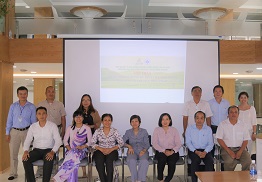
With the aim of introducing advanced global technological applications in agricultural preservation and food processing—especially to support and promote access to technological innovation for individuals and organizations in the food industry in Ho Chi Minh City—the High-Tech Agriculture Zone Management Board, in collaboration with the Faculty of Food Technology of Ho Chi Minh City University of Food Industry, organized a seminar themed “Trends in the Application of Modern Techniques in Food Preservation and Processing.”

The seminar welcomed the participation of many enterprises, representatives of the Faculty of Food Technology, various departments and agencies, and relevant organizations. In addition, the event drew interest from alumni of the Faculty of Food Technology who are currently working in different food-related sectors (Highland Dragon Foods; CP Import–Export Food Cao Nguyên; Lâm Nông Minh Bạch Cooperative; Mộc Lan Viện; and others).
Below are some key highlights from the seminar:

Prof. Đống Thị Anh Đào from Ho Chi Minh City University of Technology shared insights on product quality management systems. She emphasized that product quality is affected by management practices, human resources, financial resources, and more. Modern and advanced quality management systems bring many benefits to businesses but also require greater responsibility from employees.
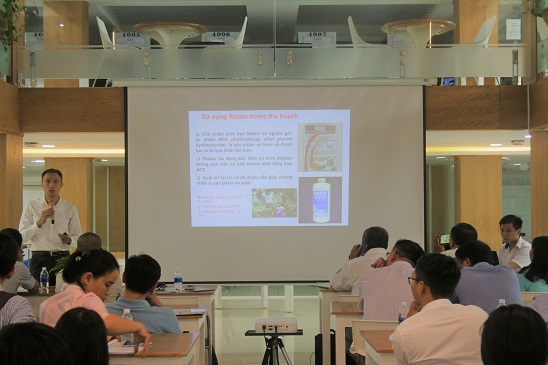
Through the presentation of Dr. Lê Minh Hùng, participants learned about postharvest treatment and preservation technologies for fruits and vegetables. With the increasing demand in export markets, in addition to strictly following on-farm production processes to meet standards, postharvest stages must also comply with HACCP, BRC, and other food safety requirements. Technologies such as irradiation, MAP (Modified Atmosphere Packaging), and NIR (Near-Infrared Spectroscopy) need to be applied to gradually improve and enhance quality and food safety, while also reducing postharvest losses in Vietnam.
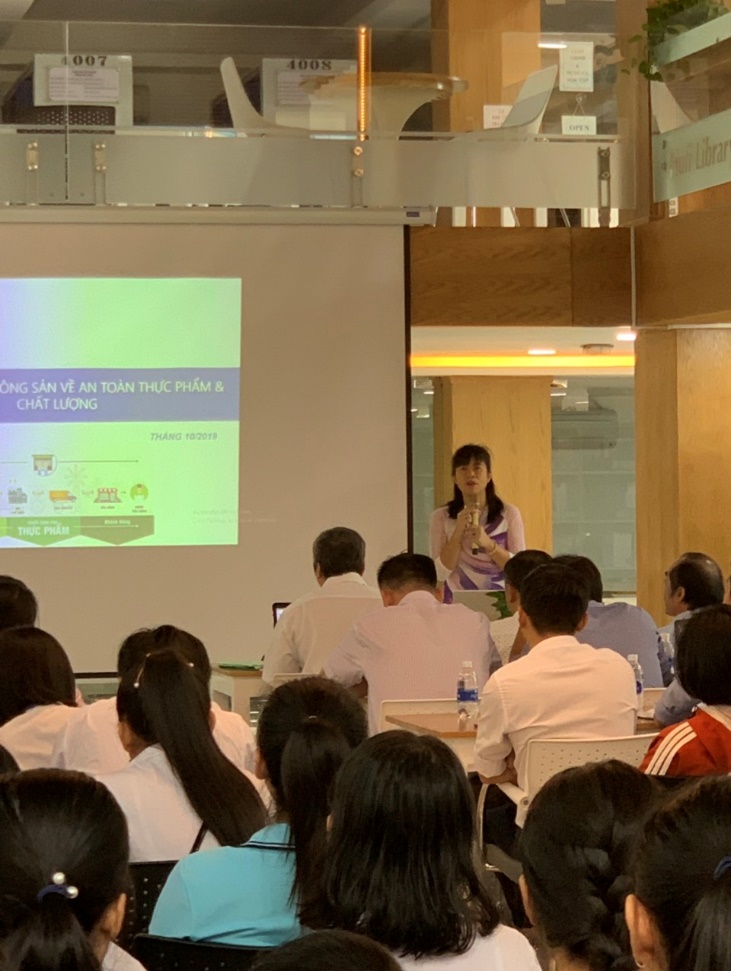
Ms. Đỗ Thị Lan Nhi, MSc (Ho Chi Minh City University of Food Industry) proposed solutions for applying technology in quality management and food safety with the goal of reducing costs while ensuring that safe food reaches consumers.
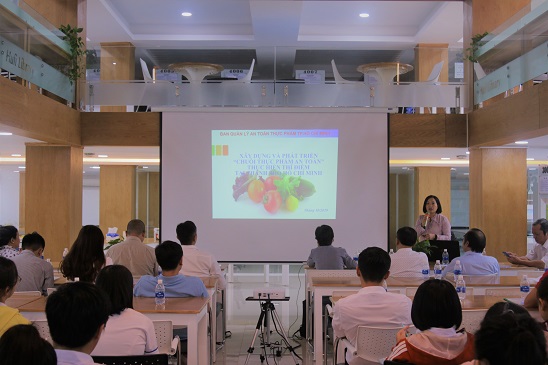
According to Ms. Nguyễn Thị Nhã Trúc, MSc (Ho Chi Minh City Food Safety Management Board), food management following a “safe food chain” model is essential. It is necessary to actively connect agricultural and food consumption channels, select and assess production and business facilities that meet required criteria to include them in the “safe food chain,” and strengthen communication efforts to ensure that certified facilities are known to consumers.
There were also many other meaningful and valuable opinions, discussions, and contributions from various organizations and authorities. The seminar provided Food Technology students with practical, beneficial knowledge closely related to real-world industry practices, helping them gain clearer understanding and proper orientation for their future careers.